
Veterans are facing a crisis, and we’re here to stop it with targeted, life-saving support.
To get a better picture of the battle we're fighting, consider the following:
veteran suicides in 2022
consecutive years with 6,000+ veteran suicides
veterans have died by suicide since 2001
leading cause of death in veterans under age 45
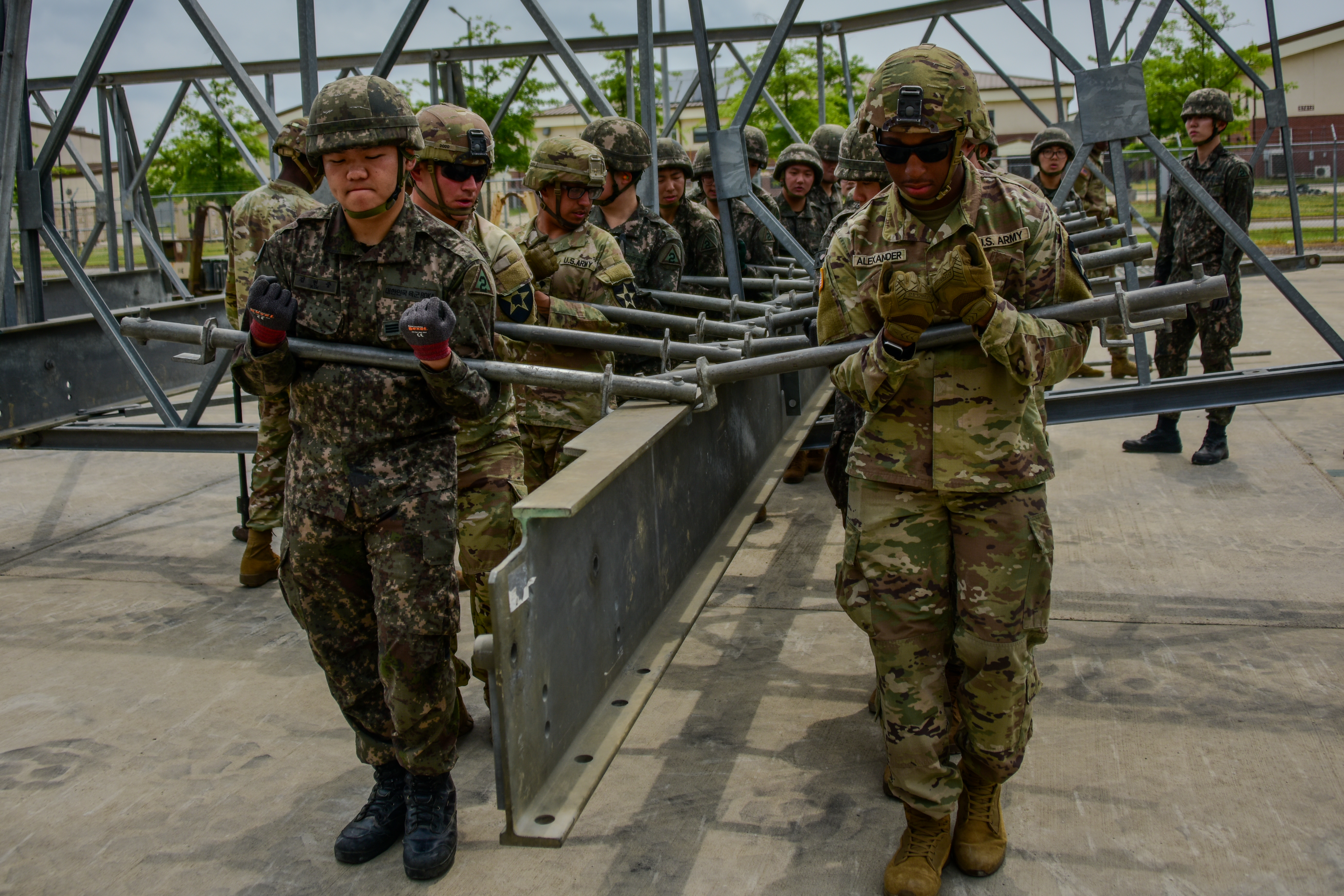
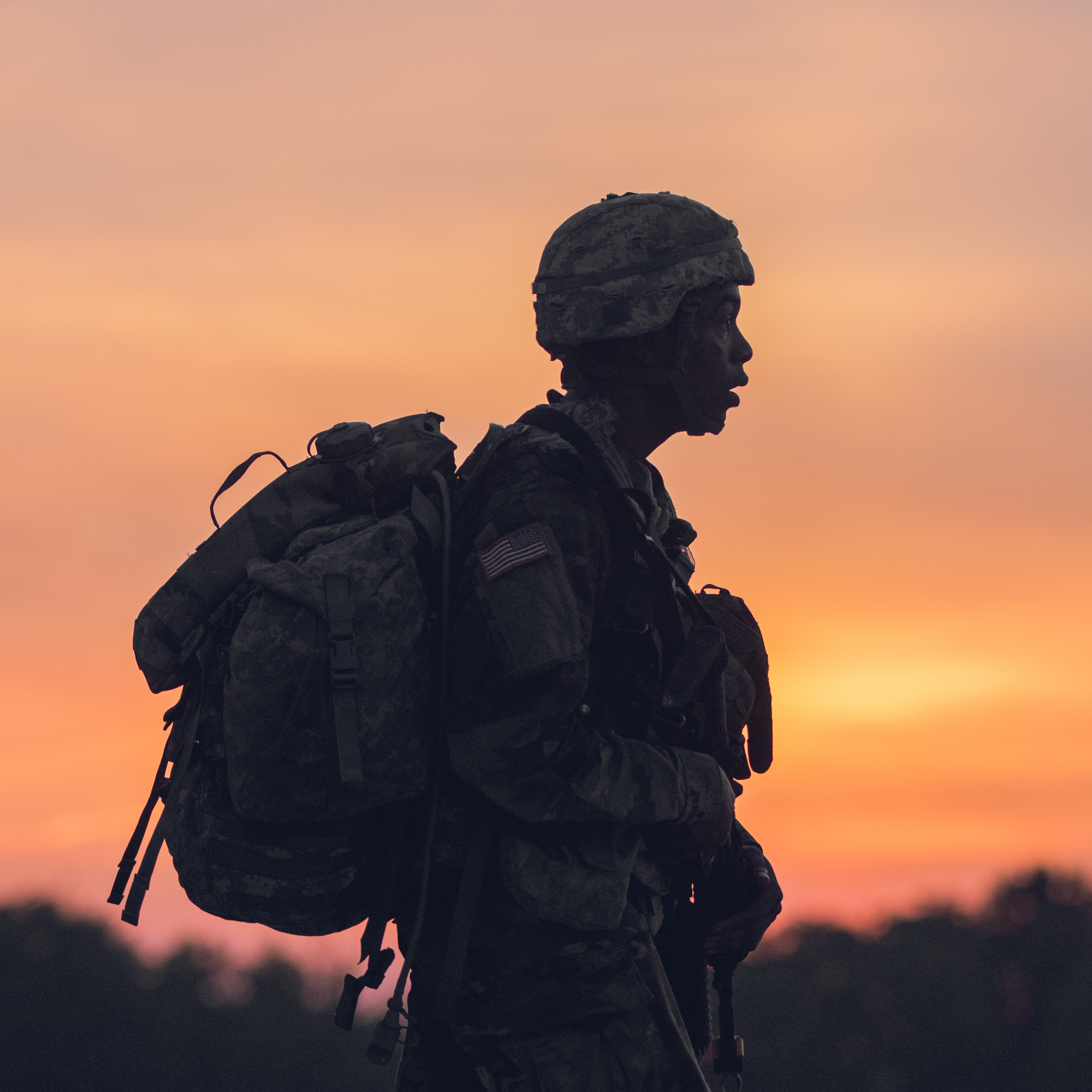
Many veterans carry invisible wounds that extend far beyond the battlefield. From PTSD and sexual trauma to substance abuse and social isolation, these personal and societal challenges significantly increase the risk of suicide. Understanding these realities is the first step toward providing the targeted support they deserve.
Depending on branch, up to 31% of service members develop PTSD after returning from combat.
The rate of suicide for veterans in the LGBTQ+ community is up to 7x higher than for non-LGBTQ+ veterans.
Women veterans report experiencing military sexual harassment or military sexual trauma.
More than 1-in-10 U.S. veterans have been diagnosed with a substance abuse disorder.
Join the mission to save lives. Whether you host an event, donate, or spread awareness, your support fuels critical, life-saving care for veterans and service members in crisis.
Donate and supportVeterans who struggle with the transition to civilian life are five times more likely to experience suicidal thoughts. These mental health challenges are often rooted in a lack of support, direction, and understanding during this critical period.
In the first year after leaving the military, the suicide rate among veterans reaches 46.2 per 100,000. This is one of the most vulnerable periods in a veteran's life—when immediate intervention can make all the difference.
Over 80% of post-9/11 veterans say the public doesn't understand what they go through after service. This disconnect contributes to isolation, stigma, and a lack of empathy for those navigating life beyond the uniform.
Roughly 35% of veterans report difficulty paying bills in the years immediately following their service. Without adequate financial planning or transition resources, everyday expenses can become overwhelming.
More than 50% of civilian employers offer no veteran-specific onboarding, and over 80% have no dedicated recruiting efforts. This leaves many veterans feeling unprepared and unsupported in their new careers.
Nearly half of veterans with combat experience say their transition was significantly more difficult than expected. Compared to non-combat veterans, they often face more intense psychological and emotional hurdles.
Your donation provides life-saving care to veterans and service members in crisis. Join us in the fight to end military suicide—because standing by isn't an option.
When you give to Stop Soldier Suicide, your impact is tangible and life-changing. Your generosity empowers veterans and service members to see beyond their darkest moments, helping them realize their lives have immense value.
Become a dedicated supporter by making a recurring monthly gift. Your ongoing generosity ensures that veterans and service members in crisis receive consistent, life-saving support free of cost when they need it most.
Every donation makes a difference. Your contribution helps connect veterans and service members to essential mental health resources, crisis intervention, and long-term care, providing them with hope and healing.
Rally your community to take action. Whether you host an event, start a birthday fundraiser, or launch a social media campaign, your efforts help raise vital funds and awareness to prevent military suicide.
Push your limits for a cause. Participate in endurance events, athletic challenges, or unique personal goals to raise awareness and funds for veterans and service members in need of critical support.
Make a meaningful tribute by giving in honor or memory of a loved one. Your donation creates a lasting impact, helping veterans in crisis while celebrating or remembering someone dear to you.